
There is a lot of AI-generated, AI-related content out there lately. This HBR article seems to stand out with interesting findings. It’s behind a paywall, but here are the takeaways.
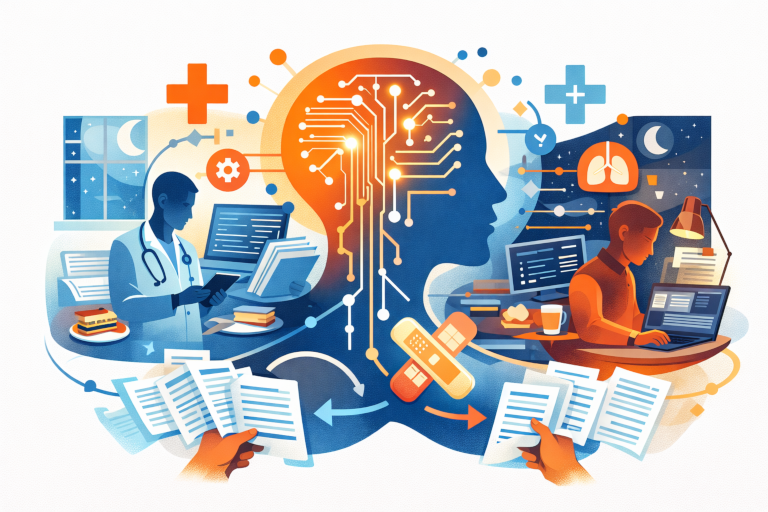
Generative AI was supposed to buy us time. An eight-month field study inside a ~200-person U.S. tech company suggests it can do the opposite: it intensifies work.
- First, AI lowers skill barriers, so people take on tasks they previously wouldn’t. This means designers writing code, analysts drafting research, clinicians spinning up analyses. That feels empowering, but it also creates downstream “cleanup” work for others who must review, correct, and integrate AI-assisted output.
- Second, AI makes work frictionless enough that it seeps into the in-between moments. Lunch breaks, late evenings, the quick “one more prompt.” The result is blurrier boundaries and less real recovery.
- Third, AI encourages parallelism: multiple drafts, multiple threads, constant checking. That boosts throughput, but it also fragments attention.
The article goes on to describe a vicious cycle in which the more your colleagues do it, the more it becomes a culture, one in which you feel compelled to keep up. Using more AI.
I’ve felt a version of this personally. A few years ago, I stopped blogging regularly to make more time for kids and life outside work. With generative AI, getting a post out is genuinely easier. It’s a idea and some prompts, edits, and reviews away. But it still has to happen sometime… which, for me, often means well into the evening, in the dark, with the quiet (adorable) snoring noises of kids nearby.
Is it really worth an hour in the evening, log some thoughts, and risk being accused of putting out some “AI slop?” I’d like to think: It depends, yes, and too bad you are already 75% through reading this one – consider it sunk cost.
More broadly, it’s a bit of a “Groundhog Day” reminder of the smartphone era: work became easier to do anywhere, and harder to escape. Also, work-from-home brought the promised flexibility, but it also created unspoken expectations for off-hour productivity. And for radiologists with home workstations, just like hospital executives with work-issued smartphones, “always available” quietly became the default.
I have embraced these technologies personally and have the privilege of spending a lot of time thinking about them professionally. And yes, the benefits are real, and so are the tradeoffs
Is generative AI making you more productive, busier, or both?